4 Patterns of Team Conflicts: A Diagnostic Framework for Leaders
Summary of typical conflicts in the workplace, discover proven strategies
Applications
Framework Card
4 Patterns of Team Conflicts
- Goal
- Transform toxic team friction into constructive debate and problem-solving.
- Best For
- Diagnosing Team Conflict Patterns; Breaking Decision Deadlocks
Conflict is Everywhere
Conflict is an inevitable part of any workplace.
In fact, experiencing conflict can be a sign of a team’s growth, as outlined in Tuckman's Model of Team Development.
Rather than avoiding conflicts, it’s crucial to confront them head-on.
What this framework is
According to Peterson in Harvard Business Review, there are four types of team conflict.
- The Sole Dissenter
- The Boxing Match
- Warring Factions
- The Blame Game
Advertisement
How the framework works
The Sole Dissenter
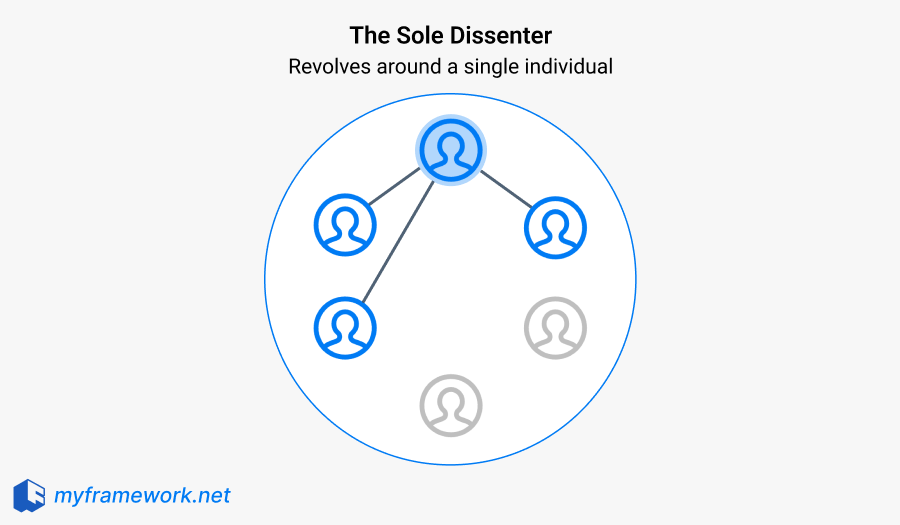
In this scenario, one team member holds a differing opinion that contrasts with the majority view.
While this dissent can encourage diverse perspectives and critical thinking, it may also create tension if not managed properly. The dissenter may feel isolated or disregarded, which can impact team morale.
Strategies to Manage This Conflict:
- Encourage Open Dialogue: Create an environment where team members feel safe expressing differing opinions. Facilitate discussions that validate all perspectives.
- Acknowledge Contributions: Recognize the value of the dissenter’s viewpoint and encourage them to share their thoughts broadly, helping to integrate their ideas into the decision-making process.
- Facilitate Collaboration: Pair the dissenter with others to explore solutions together, bridging gaps and fostering inclusivity.
The Boxing Match
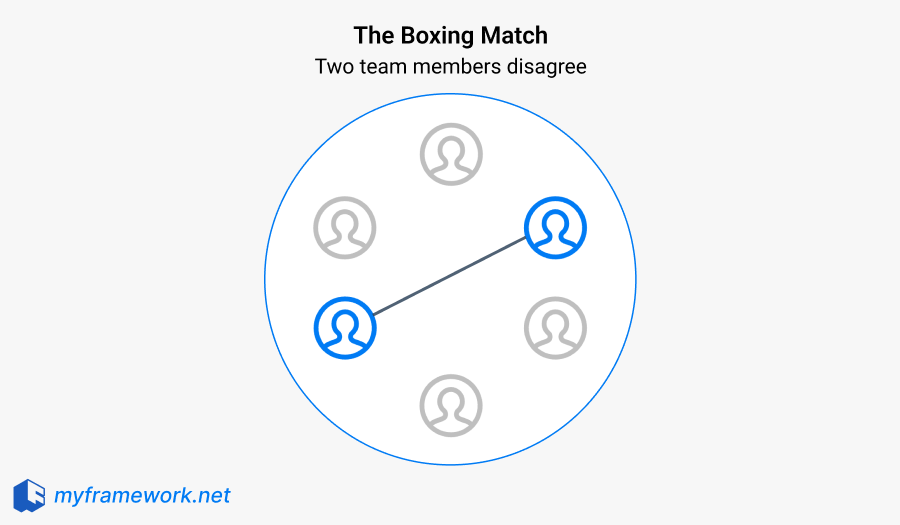
This conflict resembles a competitive fight where team members engage in heated debates over differing opinions.
While some level of debate can be constructive, prolonged boxing matches can lead to communication breakdowns and damage team dynamics.
Strategies to manage this conflict:
- Establish Ground Rules: Set guidelines for discussions to ensure they remain constructive, promoting respectful communication and active listening.
- Mediation: Introduce a neutral third party to mediate discussions if conflicts escalate. This person can help refocus the conversation on finding common ground.
- Focus on Interests, Not Positions: Shift the conversation from winning arguments to understanding underlying interests and needs. This approach fosters collaboration and problem-solving.
Warring Factions
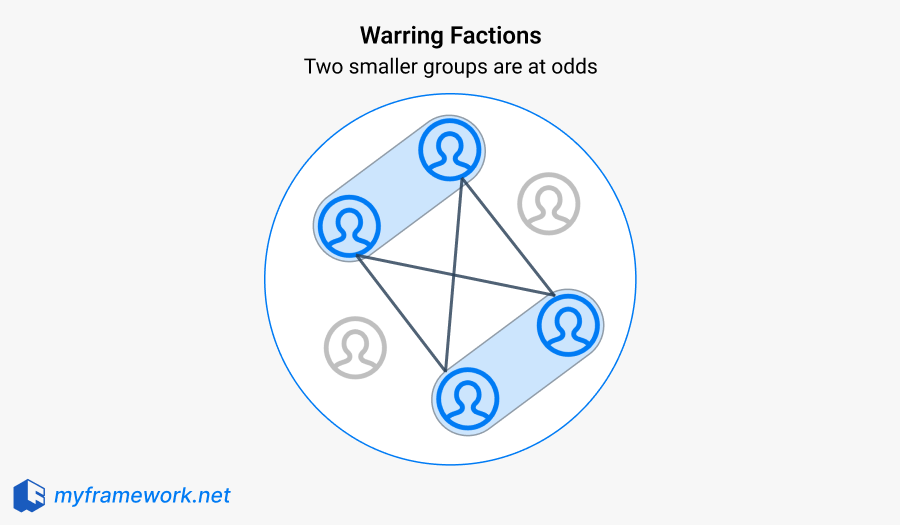
In this scenario, subgroups within the team form opposing camps, advocating for their own interests. This division can undermine collaboration and create a toxic work environment if not addressed.
Strategies to manage this conflict:
- Team-Building Activities: Engage in exercises that promote trust and collaboration among team members. Building relationships can help reduce divisions and foster a unified team identity.
- Encourage Cross-Group Collaboration: Create opportunities for members from different factions to work together on projects, helping them identify common goals.
- Facilitate Open Forums: Hold structured discussions where team members can voice concerns, ensuring all sides are heard. This can reduce hostility and promote understanding.
The Blame Game
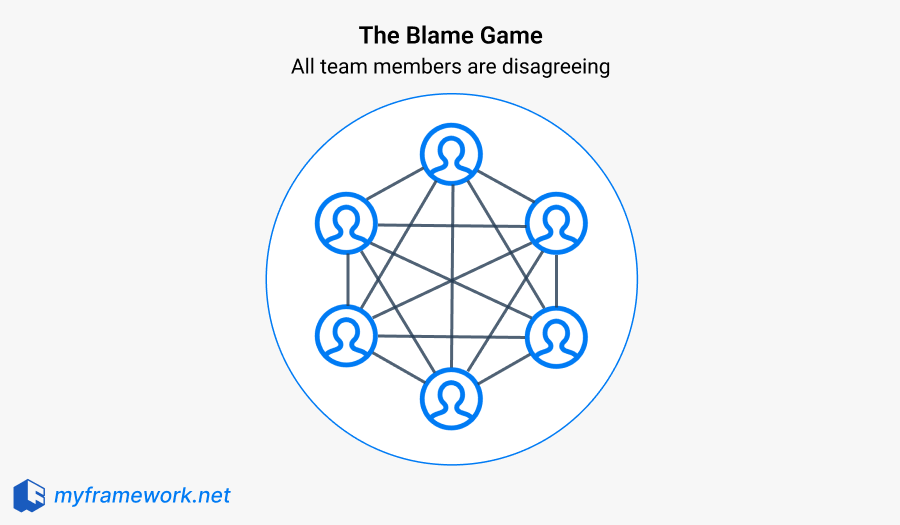
This pattern occurs when team members shift responsibility for failures onto others, eroding trust and fostering a culture of defensiveness. This dynamic hinders learning and progress.
Strategies to manage this conflict:
- Promote a Culture of Accountability: Encourage team members to take ownership of their responsibilities and focus on collective outcomes rather than assigning blame.
- Implement Reflective Practices: After conflicts or failures, conduct discussions to identify lessons learned without placing blame. Foster a growth mindset among team members.
- Provide Training: Offer training in conflict resolution and communication skills to equip team members to navigate disagreements constructively.
Most leaders fail at conflict management not because they lack authority, but because they misdiagnose the conflict structure.